
Bard PowerPort Lawsuit Verdict: $40 Million in MDL Trial
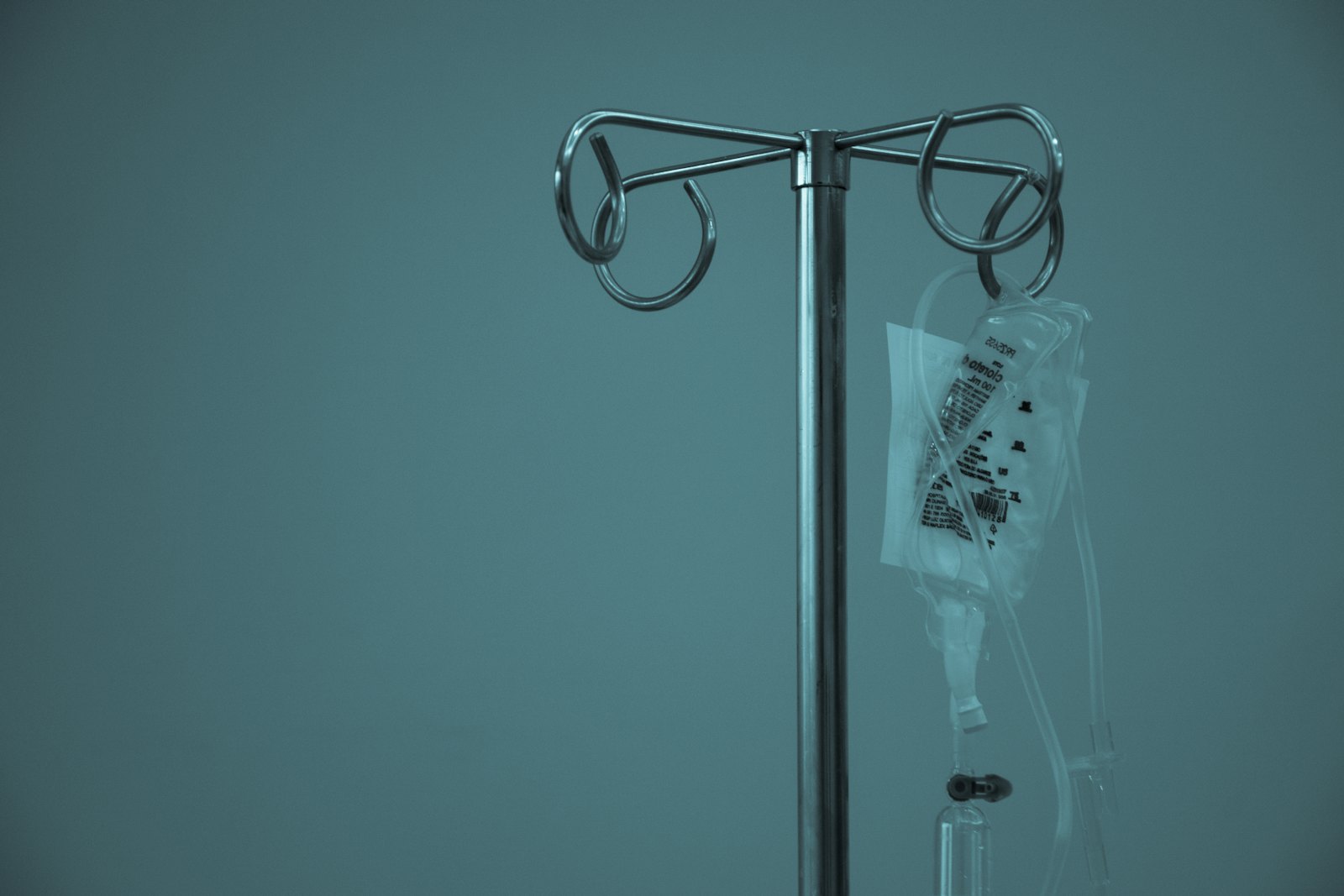
If you or someone you love had an implanted port catheter fracture, migrate, or cause an infection, you have probably wondered whether anyone would ever be held answerable for it. Earlier this month, a federal jury gave one answer. The Bard PowerPort lawsuit verdict returned on September 4, 2026, awarded a single plaintiff $40 million in compensatory damages.
That result does not settle anyone else’s case. However, it is the first plaintiff win in this litigation, and it tells thousands of families something they did not know a month ago: a jury that heard the evidence found the device defective.
Below, we explain what the jury actually decided, what a bellwether trial is, and what people with port catheter injuries may want to do now.
What the jury decided
According to trial coverage from legal-industry publications including HarrisMartin and Mealey’s, a nine-person federal jury in the District of Arizona returned a unanimous verdict on September 4, 2026, after a trial that began August 18. The case was tried before U.S. District Judge David G. Campbell.
The jury found for the plaintiff, Kimberly Divelbliss, on four claims: strict liability design defect, negligent design defect, strict liability failure to warn, and negligent failure to warn. It awarded $40 million in compensatory damages.
Notably, the jury did not find fraudulent concealment, and it declined to award punitive damages. In other words, jurors accepted the core product-liability theory while stopping short of the most aggressive allegations.
The device at issue was reported to be a PowerPort with a Groshong silicone catheter. Court filings allege the catheter fractured roughly two years after implantation, that a fragment traveled to the plaintiff’s heart, and that she required removal surgery and treatment for cardiac complications.
Bard has denied liability throughout this litigation, and verdicts like this one are commonly challenged after trial or on appeal. Past results do not guarantee or predict a similar outcome in any other case.
What the $40 million Bard PowerPort lawsuit verdict actually means
To understand why this matters, it helps to know what a bellwether trial is.
When thousands of similar lawsuits are filed across the country, the Judicial Panel on Multidistrict Litigation can consolidate them before one judge for pretrial work. That grouping is called an MDL. The Bard implanted port catheter cases sit in MDL 3081 in the District of Arizona.
Because trying thousands of cases one at a time is impossible, the court picks a handful of representative cases to try first. Think of them as test flights. Lawyers on both sides learn which evidence lands with a jury, which experts hold up, and what a case may realistically be worth.
So a bellwether verdict is not a settlement, and it does not automatically pay anyone else. Still, it moves the needle in three practical ways:
- It shows both sides how a jury reacts to the design and warning evidence.
- It gives plaintiffs’ lawyers a reference point in settlement discussions.
- It often increases pressure to resolve cases in groups rather than one by one.
For context, this was the second bellwether in MDL 3081. The first ended in a partial defense verdict and a partial hung jury. As a result, the September verdict is the first time a jury in this litigation has found squarely for a plaintiff.
Why the next few months matter
Reported case counts put more than 3,700 lawsuits in MDL 3081 as of September 2026, and the docket has grown steadily.
More trials are on the calendar. Legal trackers report the next bellwether is set for October 13, 2026, with additional dates reported for December 1, 2026, and February 2, 2027. Some of those dates have not yet been publicly matched to specific plaintiffs.
In short, the litigation is entering its most active stretch. Because deadlines to file vary by state and can be short, waiting for the outcome of someone else’s trial can be a costly choice.
What these lawsuits allege
An implanted port is a small device placed under the skin, usually in the chest, and connected to a thin catheter that threads into a large vein. Doctors use ports so patients receiving chemotherapy, long-term antibiotics, or frequent blood draws do not need a new IV stick every visit. For many patients, a port is a genuine relief.
The lawsuits allege that certain Bard port catheters were prone to failure. Broadly, plaintiffs claim the devices could:
- Fracture or break apart, sending fragments through the bloodstream
- Migrate out of position inside the body
- Harbor bacteria, contributing to bloodstream infections
- Cause blood clots, tears in vessels, or cardiac complications
Plaintiffs further allege that the companies knew about failure risks and did not adequately warn patients or physicians. These are allegations. Courts and juries decide them case by case, and the September verdict reflects one jury’s findings on one plaintiff’s evidence.
Who may be affected
Generally speaking, people who may want to have their situation reviewed include those who:
- Received an implanted port catheter, particularly a Bard-branded device
- Experienced a device fracture, migration, infection, blood clot, or related complication
- Required surgery, hospitalization, or additional procedures because of that complication
- Have medical records or device information identifying the port
Family members who lost a loved one to a complication may also have claims, depending on the state. Eligibility rules genuinely vary, so no article can tell you whether you qualify. A lawyer who reviews your records can.
Practical steps to take now
First, take care of your health. Any decisions about removing or replacing a device belong to you and your doctors, not to a lawsuit.
Second, gather what you can. Operative reports, implant stickers or device identification cards, imaging, and hospital records all help establish which device you received and what happened.
Third, do not throw away an explanted device or its packaging. Physical evidence can matter enormously in a product case.
Finally, get your timeline checked. Statutes of limitations differ from state to state, and they sometimes run from the date an injury was discovered rather than the date of implant. Because of that, a short conversation now is worth more than certainty later.
How Trial Lawyers United helps
Trial Lawyers United represents people across the country in defective medical device and mass tort cases. Our attorneys build these cases for trial from the first day, because that posture is what makes corporate defendants take a claim seriously.
Practically, that means securing device evidence and corporate records early, working with medical and engineering experts, and refusing to treat a serious injury as a file to be closed cheaply. You can read more about our Bard PowerPort claims work, and about the broader defective medical device litigation we handle.
The firm maintains its principal office in Phoenix, Arizona, and handles cases in other jurisdictions in association with attorneys licensed there.
Frequently Asked Questions
Does this verdict mean I will receive money?
No. A bellwether verdict applies only to the plaintiff in that case. It can influence settlement talks, but it does not resolve or pay other claims.
Is there a Bard PowerPort settlement yet?
As of this writing, there is no announced global settlement in MDL 3081. Bellwether trials are continuing, and settlement discussions in MDL litigation often follow a series of trial results.
How much does it cost to have my case reviewed?
Nothing. Trial Lawyers United offers free consultations and works on a contingency fee, which means there is no fee unless there is a recovery.
How long do I have to file?
That depends on your state and on the facts of your injury. Deadlines can be short, and some have already passed for older injuries. Because of that, the safest step is to have the date checked promptly.
What if I do not know which port I received?
That is common. Hospital and surgical records usually identify the device, and a lawyer can help request them.
Talk to someone about your options
A jury has now looked at this device and found it defective in one plaintiff’s case. If your family has lived through a port catheter failure, you deserve to understand where you stand.
Trial Lawyers United offers a free, confidential, no-obligation consultation to talk through your situation. Call 602-560-5170 or contact us online. There is no fee unless we win.
Attorney Advertising. This article is provided for general informational purposes only and does not constitute legal advice. Reading it does not create an attorney-client relationship with Trial Lawyers United LLC. Every case is different, laws vary by state and change over time, and past results do not guarantee or predict a similar outcome in any future matter. Trial Lawyers United LLC maintains its principal office in Phoenix, Arizona; cases in other jurisdictions are handled in association with attorneys licensed in those jurisdictions. If you have a legal question about your specific situation, please consult a licensed attorney.