
NEC Baby Formula Lawsuit: What Families Should Know as the First Federal Trial Begins
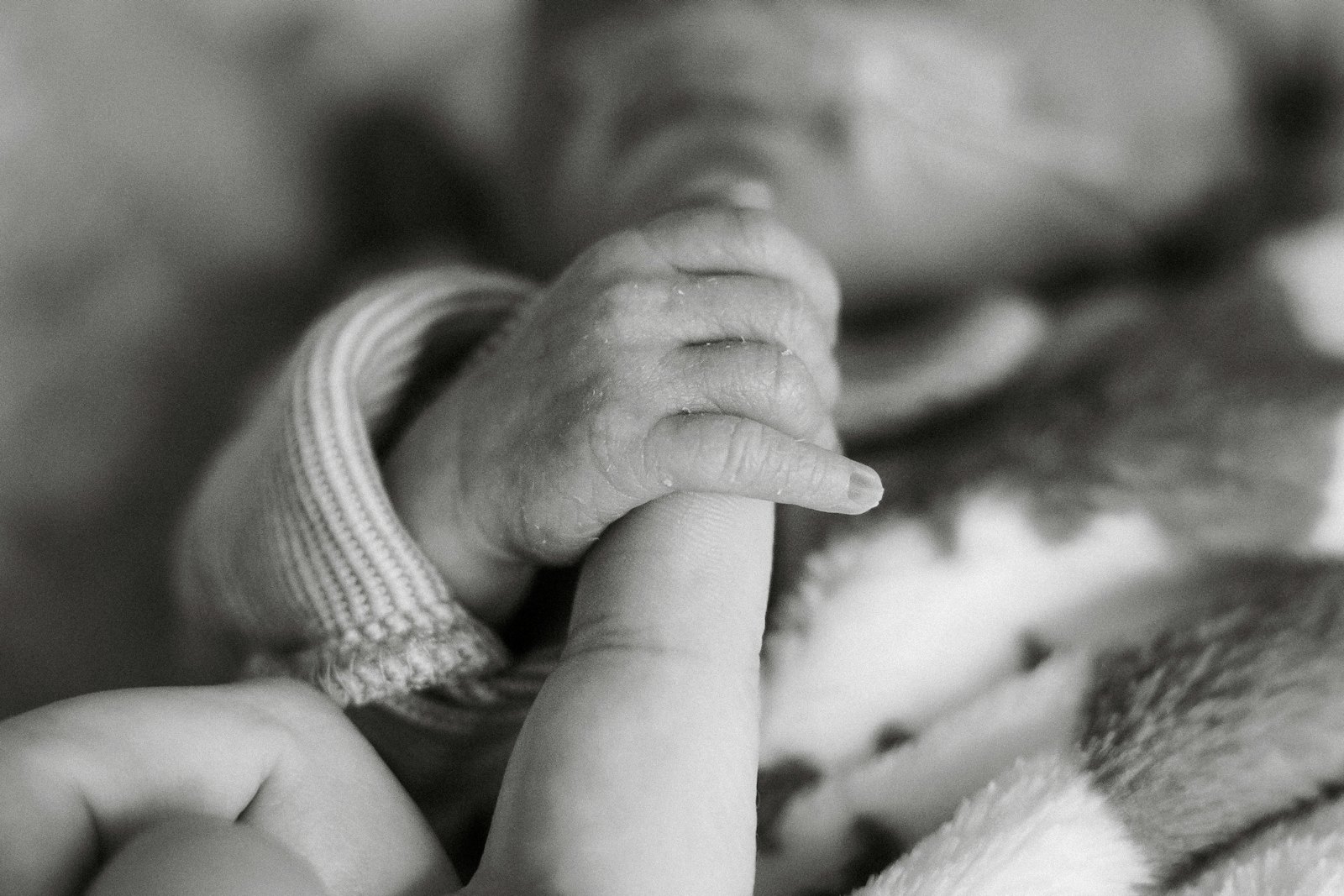
If your premature baby developed necrotizing enterocolitis (NEC) after being fed a cow’s-milk-based formula, you are almost certainly searching for answers. You may be wondering whether the formula played a role, and whether a NEC baby formula lawsuit is something your family can pursue. This post explains, in plain terms, what is happening in this litigation right now and what it may mean for you.
A major milestone just arrived. In early July 2026, the first federal NEC baby formula case reached trial in the multidistrict litigation (MDL) consolidated in the U.S. District Court for the Northern District of Illinois. Because this is the first federal case to go before a jury, families across the country are watching closely.
Below, we walk through what NEC is, what the lawsuits allege, how the MDL and “bellwether” process works, and how an experienced trial team can help.
What is NEC, and why is it linked to certain infant formulas?
Necrotizing enterocolitis is a serious intestinal disease that mostly affects premature and low-birth-weight infants. In short, tissue in the intestine becomes inflamed and can die, which sometimes requires emergency surgery. For many families, it is a terrifying diagnosis that arrives in the NICU.
Researchers have studied NEC for decades. Peer-reviewed studies and neonatal-care guidance have linked cow’s-milk-based formula and fortifiers to a higher risk of NEC in premature infants, compared with human milk. As a result, many NICUs already prioritize breast milk for the most fragile babies.
However, it is important to be precise about the science. Studies have associated cow’s-milk-based products with increased NEC risk in preterm infants, but the manufacturers dispute that their products cause the disease. That causation question is exactly what courts are now working through. You can review the FDA’s information on infant formula for general background on how these products are regulated.
What does a NEC baby formula lawsuit allege?
The lawsuits generally make a “failure to warn” claim. Plaintiffs allege that manufacturers of cow’s-milk-based preterm formulas and fortifiers — the products behind brand names such as Similac and Enfamil — knew or should have known about the NEC risk, yet did not adequately warn parents or medical providers.
Families are not alleging that formula is dangerous for healthy, full-term babies. Instead, these claims focus on premature and medically fragile infants who were fed these products, often in a hospital NICU. Because the alleged harm is so specific, eligibility usually turns on the child’s prematurity, the products used, and the NEC diagnosis.
To be clear, these remain allegations. The companies deny wrongdoing, and each case must be proven on its own facts.
How the MDL and bellwether trial work
When many people file similar lawsuits against the same companies, courts often consolidate the federal cases into a multidistrict litigation, or MDL. Think of an MDL as a shared “pretrial hub”: one judge oversees common issues like evidence and expert testimony, which saves time and keeps rulings consistent. Importantly, each family keeps its own individual case — an MDL is not a class action.
The NEC formula cases are consolidated in the Northern District of Illinois. Within an MDL, the parties select a handful of representative cases called “bellwether” trials. These early trials act like a test run. As a result, both sides learn how juries respond to the evidence, which often shapes later settlement talks.
According to litigation reporting, the first federal NEC bellwether — Inman v. Mead Johnson — began in early July 2026 before Judge Rebecca Pallmeyer. It is the first federal NEC case in which the plaintiff’s experts will testify before a jury. Because no verdict has been reached as of this writing, no one can predict the result. Still, the outcome could influence how the broader litigation proceeds.
Who may qualify for a NEC baby formula claim?
Every situation is different, and eligibility rules are detailed. That said, families often ask about these general factors:
- The child was born premature or at a low birth weight.
- The child was fed a cow’s-milk-based formula or fortifier, frequently in a hospital NICU.
- The child was later diagnosed with NEC.
- The diagnosis and feeding are supported by medical records.
Because deadlines to file — called statutes of limitations — vary by state and can be short, it is wise to ask a lawyer promptly rather than assume you have time. A brief conversation can confirm whether a claim is still available in your state.
What families can do now
First, keep your child’s medical records, including NICU records, feeding logs, and the NEC diagnosis. These documents are the backbone of any claim. Second, avoid guessing about deadlines or eligibility based on general articles, because the details matter and vary by state. Finally, speak with a lawyer who handles these cases so you understand your options without pressure.
For deeper background on this specific litigation, see our page on infant formula NEC claims.
How Trial Lawyers United helps
Cases like these pit grieving families against large, well-funded corporations and their defense teams. That imbalance is exactly why a trial-ready approach matters. Trial Lawyers United prepares every case for trial from day one — preserving evidence early, building the right team of medical and scientific experts, and pushing the litigation forward on a serious timeline.
Our attorneys focus on catastrophic injury and mass tort litigation nationwide. We represent families across the country, working with local counsel where required, and we handle these cases on a contingency fee. In practice, that means no out-of-pocket cost to you and no fee unless there is a recovery.
We cannot promise any particular result, and no honest lawyer can. What we can offer is straightforward, compassionate guidance about whether your family may have a claim and what the process looks like.
Frequently Asked Questions
Is a NEC baby formula lawsuit a class action?
No. These cases are consolidated in an MDL for efficient pretrial handling, but each family keeps its own individual lawsuit and its own potential recovery.
Does a bellwether verdict decide my case?
No. A bellwether trial is representative, not binding on other cases. However, its outcome often shapes settlement discussions across the litigation.
How long do I have to file?
Deadlines vary by state and can be short. Because timing rules are strict, it is best to consult a lawyer promptly to confirm the deadline that applies to your situation.
What will it cost to talk to a lawyer?
Nothing. The consultation is free and confidential, and these cases are handled on a contingency fee, so there is no fee unless there is a recovery.
Talk to a lawyer about your options
If your premature baby was diagnosed with NEC after being fed a cow’s-milk-based formula, you do not have to face a corporation alone. Trial Lawyers United offers a free, confidential, no-obligation consultation to talk through your options. Call 602-560-5170 or contact us online at our contact page — there is no fee unless we win.
Attorney Advertising. This article is provided for general informational purposes only and does not constitute legal advice. Reading it does not create an attorney-client relationship with Trial Lawyers United LLC. Every case is different, laws vary by state and change over time, and past results do not guarantee or predict a similar outcome in any future matter. Trial Lawyers United LLC maintains its principal office in Phoenix, Arizona; cases in other jurisdictions are handled in association with attorneys licensed in those jurisdictions. If you have a legal question about your specific situation, please consult a licensed attorney.